Ceramics and Talavera: Differences and Uses in Haute Cuisine
Haute cuisine goes beyond flavors and advanced culinary techniques; it also encompasses presentation as part of the gastronomic experience. An essential component is the dinnerware on which these dishes are presented. In Mexico, two types of dinnerware stand out for their beauty and tradition: artisan ceramics and Talavera. But what are the differences between ceramics and Talavera?
This time, we invite you to join us in discovering not only what the differences are but also the main characteristics of each type of dinnerware, how they can enhance the presentation of a dish, and some practical tips for choosing the most suitable one.
What is Ceramics?
Ceramics is a material made from clay that is shaped and fired at high temperatures, giving it hardness and resistance. Because of this, ceramics have been used to create various utensils and art since ancient times.
The use of ceramics in the kitchen is extensive, thanks to the many ways they can be decorated and their versatility
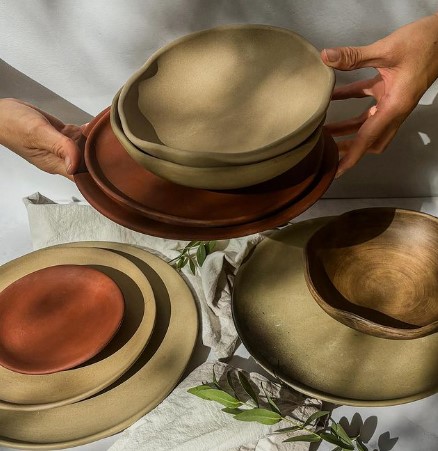
Characteristics of Ceramics
Ceramics are known for their durability; once fired, they become solid and resistant to high temperatures.
They come in a wide range of colors and styles, thanks to various decoration techniques, which range from glossy glazes to matte finishes.
Their versatility allows them to be used for different presentations in the kitchen, suitable for main dishes, desserts, or beverages.
What is Talavera?
On the other hand, while Talavera is also considered a type of ceramics, it is a specific kind that originated in Spain around the 16th century, specifically in Talavera de la Reina. Later, during the colonial period, it was brought to Mexico.
Mexican Talavera is known primarily for its bright colors and patterns, especially that which is produced in Puebla and Tlaxcala. This type of ceramic is made with a specific mixture of clay that is fired and then decorated with white glazes, making its colorful patterns stand out.
Characteristics of Talavera
Due to its special decoration techniques, Talavera is recognized for its vibrant colors and detailed patterns.
Its production is more elaborate, as it requires more care in drying, firing, and decorating.
To be considered authentic, there are regions in Mexico that follow traditional methods and even have a designation of origin.
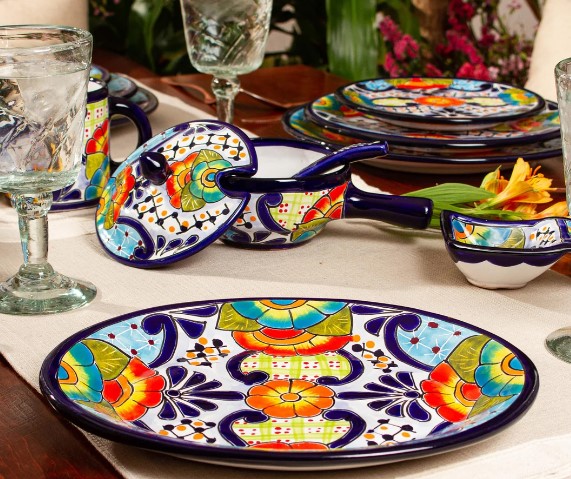
How to Know if it’s Talavera or Not?
Identifying whether a piece is authentic Talavera might seem difficult, but here are some tips that can help you:
It is advisable for the pieces to have a certification seal that guarantees their origin and manufacturing process.
Authentic Talavera comes from certain regions of Mexico, primarily Puebla and Tlaxcala.
The price is usually higher for Talavera compared to other types of ceramics due to the manufacturing process.
Manufacturing: Differences Between Ceramics and Talavera
Ceramics
Generally, ceramics are made through a process that follows these steps:
Selection and mixing of different types of clay, each with different properties.
The clay is shaped into the desired form using a potter's wheel, molds, slabs, or even by hand.
The shaped pieces are left to dry to remove moisture; the drying time will depend on the size, thickness of the piece, and environmental conditions.
The pieces undergo a first firing at high temperature, or bisque firing, to harden the clay.
The pieces are decorated, and a glaze is applied.
Finally, they undergo a second firing to set the decoration and glaze.
Talavera
On the other hand, Talavera follows a more artisanal and detailed process:
The clay is prepared by mixing only white and black clay, unlike ceramics.
The pieces are primarily shaped by hand, using a potter's wheel or plaster molds.
The pieces dry in a more controlled environment, especially regarding humidity, air currents, and sun exposure, to avoid cracks or deformations.
A first firing is done to harden the pieces.
A base of white glaze is applied.
Hand decoration with detailed patterns and different pigments is done.
A second firing is conducted to set the glaze and decoration.
Differences Between Ceramics and Talavera in the Kitchen
For their uses within haute cuisine, there are also differences between these types of dinnerware. Here are the most important ones:
Aesthetics
The variety in shapes, styles, and colors of ceramics is broader, making it more flexible for plating dishes. On the other hand, Talavera has a more traditional Mexican touch, making it ideal for dishes that wish to highlight cultural heritage.
Specific Use
The versatility of ceramics allows it to be used in a broader range of settings, whether for formal dinners or casual meals. In contrast, due to its characteristics, Talavera is better suited for situations where its beauty can be fully appreciated.
Risks of Using Talavera in the Kitchen
A crucial point to consider is that not all Talavera is suitable for food consumption, as some glazes may contain lead or other toxic substances harmful to humans. It is important to check that Talavera is certified for kitchen use.
It cannot be overlooked that exposure to lead can be harmful to health, making it vital to choose pieces that meet safety standards.
Considerations When Choosing
If you are looking for dinnerware for your home or restaurant and are unsure whether to choose ceramic or Talavera, we recommend considering these factors:
Size and Shape: Ensure that the pieces fit the specific needs of your menu or your home decor.
Style and Color: Select designs that complement the theme of your space.
Type of Use: Consider durability and functionality for daily use or special occasions.
Budget: Ceramics and Talavera can vary in price, so choose options that fit within your budget without compromising quality.
As you can see, both ceramics and Talavera have a special place in haute cuisine. Knowing their differences and characteristics can help you select the perfect dinnerware.
Remember that at Cueza Menaje, you will find a wide variety of ceramic plates and pieces for your restaurant or home that will enhance not only the presentation of your dishes but the entire experience.

